SiteMapNihongo
 Japanese American National Museum
PastExhibitions
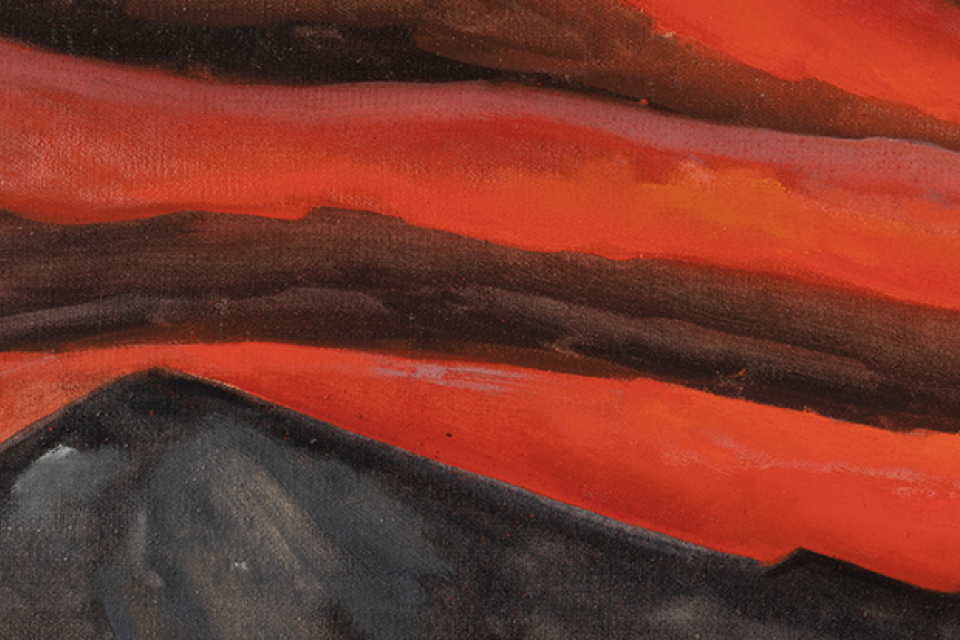
Ala Ebtekar, Elemental, 2004

One Way or Another: Asian American Art Now
February 10, 2008 - May 4, 2008

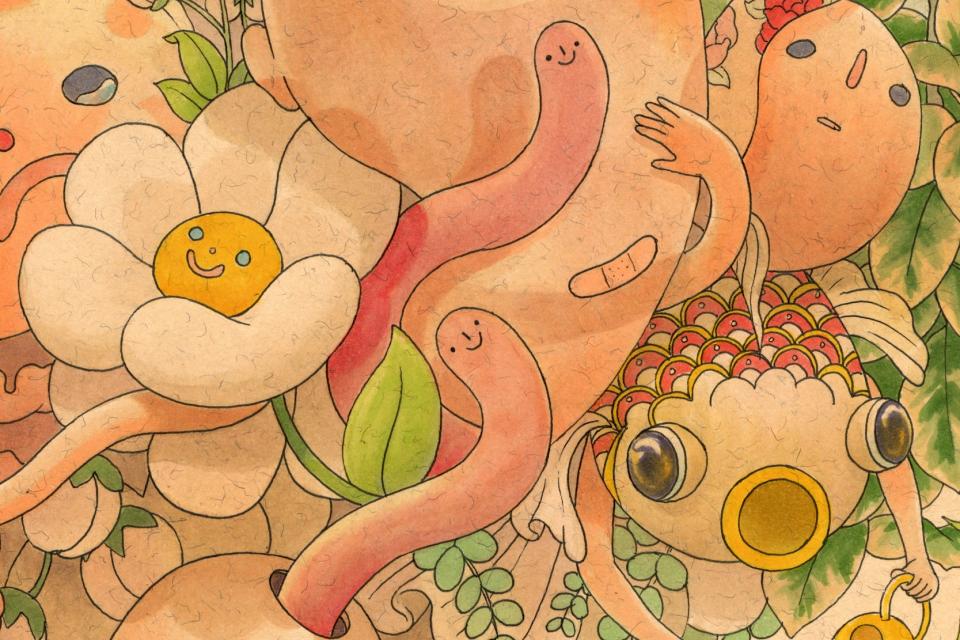
One Way or Another: Asian American Art Now, a traveling exhibition organized by the Asia Society, brings together seventeen artists from across the United States who challenge and extend the category of Asian American art. The title of the exhibition, drawn from the 1978 Blondie hit song, suggests a non-formulaic way of making or seeing art. The artists and their works characterize the freedom to choose, manipulate and reinvent different kinds of languages and issues, whether formal, conceptual, or political. Together, they defy a definitive conception of Asian American art.

Giant Robot Biennale: 50 Issues
November 3, 2007 - January 13, 2008

Developed in collaboration with Eric Nakamura of Giant Robot and the Japanese American National Museum

In celebration of its 50th issue and in collaboration with the Japanese American National Museum, the pop-culture magazine Giant Robot has assembled works by ten cutting-edge artists from around the country in Giant Robot Biennale: 50 Issues.

Akio Morita
July 13, 2007 - September 9, 2007

The Japanese American National Museum will present the exhibition, Akio Morita, this summer from July 13 - September 9, 2007. Developed by members of the Morita family, this exhibit commemorates the remarkable life and achievements of Mr. Akio Morita (1921-1999), co-founder of Sony Corporation.

As one of Sony's principal figures, Morita was known as an electronic innovator who changed the way the world sees, hears, plays, and explores music, movies, TV, and games. At the same time, Morita's efforts to produce closer ties between Japan and the rest of the world brought him international recognition and exerted a profound influence on global trade that lasts to this day.
Hideo Wataguchi, Leimert Park neighborhood, Los Angeles California, 2007.

Landscaping America: Beyond the Japanese Garden
June 17, 2007 - January 6, 2008

Gardens were among the first forms of Japanese culture to gain popularity in the United States. Since their introduction to the American public at the 1876 Centennial Exposition in Philadelphia, Japanese-style gardens have profilerated across the country.

Ruth Asawa holding a form-within-form sculpture, 1952.

The Sculpture of Ruth Asawa: Contours in the Air
March 10, 2007 - May 27, 2007

This exhibition represents a retrospective of this Nisei artist's enduring and richly varied career. Born on a truck farm in Southern California, Asawa was incarcerated at Rohwer concentration camp in Arkansas during World War II. In the 1940s, she attended Black Mountain College, the famous experimental art school in North Carolina.
Yuichi Hirata [close-up head], c. 1943

Ansel Adams at Manzanar
November 11, 2006 - February 18, 2007

Ansel Adams at Manzanar, organized by the Honolulu Academy of Arts, includes over 50 vintage prints from the collections of the Library of Congress, the Center for Creative Photography in Tucson, Arizona, the Honolulu Academy of Arts, and the Japanese American National Museum.

kip fulbeck: part asian, 100% hapa
June 8, 2006 - October 29, 2006

kip fulbeck: part asian, 100% hapa is an exhibition of portraits by artist Kip Fulbeck, who traveled the country photographing more than 1,000 Hapa of all ages and walks of life. Originally a derogatory label derived from the Hawaiian word for half, the word Hapa has been embraced as a term of pride by many whose mixed-race heritage includes Asian or Pacific Rim ancestry.
Installation view at the Vitra Design Museum. Bench, 1966.

Isamu Noguchi: Sculptural Design
February 5, 2006 - May 14, 2006

In a career that spanned six decades, Japanese American artist Isamu Noguchi (1904-1988) produced a groundbreaking body of work that encompassed multiple disciplines to break down the barriers between sculptural art and functional design. Isamu Noguchi - Sculptural Design celebrates this legacy by integrating over 75 of Noguchi's works into a series of dramatic installations conceptualized by renowned theater designer and artist Robert Wilson. The exhibition includes Noguchi's portrait busts, unique stone sculptures, and set designs for the Martha Graham Dance Company as well as his iconic furniture designs and Akari lamps, all arranged in thematic settings with bold lighting, visually striking tableaux, and evocative sounds.

Southern California Gardeners' Federation: Fifty Years
October 25, 2005 - November 13, 2005

From the early 1900s, Japanese American gardeners have cared for their clients' yards, community gardens, and public parks throughout the West Coast. Often faced with limited job opportunities in other fields, Japanese Americans turned to gardening as one of the ways they could start their own business with few resources - just mowers, hand tools, and perhaps a truck. Through their work, they also found an outlet for their creativity and a way to build community pride.
Toshiko Takaezu. Three Graces. Glazed stoneware. Photo by Fitzhugh Karol, 2005.

Toshiko Takaezu: The Art of Clay
August 6, 2005 - November 27, 2005

Toshiko Takaezu: The Art of Clay features the recent work of Toshiko Takaezu, an artist at the forefront of breaking down the traditional barriers between functional and sculptural art. Known for her experiments in the expressive potential of clay, Takaezu's work is characterized by exuberant glazes and a meditation on the power of medium to communicate abstract and specific meanings. The exhibition includes examples of Takaezu's closed forms -- rounded vessels with only a tiny vestigial opening, spherical 'moon pots', and tree-like forms.

Big Drum: Taiko in the United States
July 14, 2005 - January 8, 2006

With its thunderous rhythms and energetic movements, taiko is a powerful and enormously popular style of group drumming. In Japanese, the word taiko translates to 'big drum' or 'fat drum'. While drumming has always been a part of Japanese and Japanese American culture, it was not until the latter part of the twentieth century that taiko evolved into the ensemble form practiced and performed today. The pioneering American taiko groups were formed in California during the social and political tumult of the late 1960s and early 1970s. Today, there are hundreds of groups throughout North America and Hawai'i.

Japan after Perry: Views of Yokohama and Meiji Japan
February 6, 2005 - May 1, 2005

The opening of Yokohama, Japan, to trade with the United States and Europe in 1859 ended more than two centuries of Japanese isolation and transformed the rural fishing village into a thriving international port. Documenting this early history of Japan's gateway to the world, artists produced colorful woodblock prints of city scenes, urbane residents, and harbor views, capturing this tumultuous era of Japan's transformation into a modern industrial state and international power. Organized by the Arthur M. Sackler Gallery of the Smithsonian Institution, Japan After Perry: Views of Yokohama and Meiji Japan showcases 24 woodblock prints from the collection of Ambassador and Mrs. William Leonhart.

Lasting Beauty: Miss Jamison and the Student Muralists
February 6, 2005 - July 24, 2005

Art teacher Mabel Rose Jamison wrote, "a good painting is a thing of lasting beauty" in testament to the ambitious mural project undertaken by eight of her students at Rohwer High School. At any school during any time period, such a project would require a teacher of immense dedication, and students with profound maturity and skill. What makes the story of these murals particularly extraordinary is that it took place in an American concentration camp. Lasting Beauty showcases the only remaining remnants of the murals - preliminary paintings executed on sheets of cloth saved for decades by Jamison herself. These works of art tell the story of the incarceration through the eyes of eight gifted students and their visionary teacher.

George Nakashima: Nature, Form and Spirit
September 1, 2004 - January 2, 2005

The exhibition George Nakashima: Nature, Form and Spirit outlines the historical, artistic and spiritual influences that ultimately manifested themselves in Nakashima's exquisite furniture.
American flag recovered amid World Trade Center debris at the Fresh Kills Landfill.

September 11: Bearing Witness to History
July 1, 2004 - August 15, 2004

The Japanese American National Museum is honored to be the only California venue to present the Smithsonian Institution's traveling exhibition, September 11: Bearing Witness to History, from July 1 to August 15, 2004.

Isamu Noguchi and Modern Japanese Ceramics
February 7, 2004 - May 30, 2004

Isamu Noguchi and Modern Japanese Ceramics is the first major American exhibition of Noguchi's postwar work in ceramics.

Drifting: Nakahama Manjiro's Tale of Discovery. An Illustrated Manuscript Recounting Ten Years of Adventure at
October 11, 2003 - January 4, 2004

Drifting: Nakahama Manjiro's Tale of Discovery chronicles the adventures of Manjiro, a Japanese boy who in 1841 was shipwrecked with four companions off the coast of Japan and unwittingly played a significant role in cultural understanding between the United States and Japan.

Object Lessons: Exploring the Permanent Collection
August 2, 2003 - January 4, 2004

With over 47,000 artifacts donated by more than 5,000 individuals, families, and organizations, the National Museum has the largest collection of Japanese American materials in the world. This exhibition showcases a range of compelling objects from the permanent collection, some of which have never been displayed before.

Sights Unseen: The Photographic Constructions of Masumi Hayashi
May 31, 2003 - September 14, 2003

The Japanese American National Museum is proud to present the first survey of the work by Japanese American photographer Masumi Hayashi.

Finding Family Stories
March 14, 2003 - July 6, 2003

This is the third year of Finding Family Stories, an Arts Partnership Project initiated by the Japanese American National Museum in 1995 to create a dialogue among the diverse communities that shape the state of California.
Yolanda Guerra.

Boyle Heights: The Power of Place
September 8, 2002 - February 23, 2003

A neighborhood is made up of people and places. It is defined through the experiences of those who consider it home. Through the stories of past and present neighborhood residents, this exhibition explores how the experiences and memories of many generations of Angelenos intersect in this powerful place.

C.O.L.A. 2002
May 3, 2002 - June 30, 2002

Hideo Date Cathleen, ca. 1930s. Oil on canvas, 10 x 8 inches (99.111.150)

Living in Color: The Art of Hideo Date
October 27, 2001 - April 7, 2002

This exhibition of paintings is the first retrospective survey of the art of Issei painter Hideo Date (b.1907).
Flo Oy Wong, made in usa: Angel Island Shhh, 2000.

Flo Oy Wong: Angel Island, Immigration, and Family Stories
September 27, 2001 - March 31, 2002

Artist Flo Oy Wong is known for her provocative explorations of family and community history through her work. The exhibition includes Wong's most recent installation, made in usa: Angel Island Shhh, that exposes the conditions and experiences of Chinese immigrants incarcerated at Angel Island Immigration Station between 1910 and 1940.
Mei-Ling Hom Silkworm Grind, 2000.

Beliz Brother, Mei-ling Hom, and Kim Yasuda: Celebrating U.S. - Japan Creative Artists Exchange Fellowship Program
May 11, 2001 - September 2, 2001

This exhibition features new work by three recent recipients of the prestigious artists exchange fellowship program jointly administered by the Japan-U.S. Friendship Commission (JUSFC) and the National Endowment for the Arts (NEA).
Henry Sugimoto Self Portrait in Camp, 1943.

Henry Sugimoto: Painting an American Experience
March 24, 2001 - October 7, 2001

At the age of 19, Henry Sugimoto left Japan to make his life in America. Determined to become an artist, he studied in the San Francisco Bay Area and exhibited nationally and internationally.When he was unjustly incarcerated at 42 in the Jerome and Rohwer concentration camps in Arkansas, the experience irreversibly affected how he viewed himself, his art, and the Japanese American experience. The only thing that remained constant was his desire to paint.
Hansel Mieth and Otto Hagel.

For a Greener Tomorrow: Japanese American Gardeners in Southern California
October 28, 2000 - May 1, 2001

Barred from leasing farmland in the early 1900s, many Japanese immigrants traveled from California's countryside to the cities and turned to another kind of farming - gardening.

Allen Say's Journey: The Art and Words of a Children's Book Author
July 28, 2000 - February 11, 2001

Allen Say's Journey: The Art and Words of a Children's Book Author is the first retrospective exhibition of the art of Allen Say, award-winning children's book author and illustrator.
Zebra baseball team at Heart Mountain, Wyoming concentration camp, 1944.

More Than a Game: Sport in the Japanese American Community
March 4, 2000 - February 18, 2001

More Than a Game: Sport in the Japanese American Community tells the story of one immigrant group through the universally popular topic of sport.

An American Diary: Paintings by Roger Shimomura
October 8, 1999 - January 16, 2000

Issei (first generation Japanese American) 'picture bride' Toku Shimomura began a diary in 1912, the year of her immigration to the United States, and continued writing until her death in 1963.
'Study for a Self-Portait, c. 1944'.

A Process of Reflection: Paintings by Hisako Hibi
July 27, 1999 - January 30, 2000

In May 1942, Issei artist Hisako Hibi (1907-1991) and her family were sent to U.S. concentration camps along with over 120,000 other Japanese Americans. An active artist in the Bay Area, Hibi continued to paint during her three years in the Topaz, Utah concentration camp. Her World War II incarceration paintings miraculously survived several decades, including a move to New York City and then to San Francisco.
'Land of Projection, 1992'.

Bruce and Norman Yonemoto: Memory, Matter, and Modern Romance
January 23, 1999 - July 4, 1999

This provocative exhibition surveys the film, video and video installation art of Bruce and Norman Yonemoto, Los Angeles-based, Sansei (third generation Japanese American) brothers who have worked collaboratively since 1976.
Kodama family boarding bus.

Coming Home: Memories of Japanese American Resettlement
August 14, 1998 - February 7, 1999

Though the end of the war brought 'freedom' from the confines of America's concentration camps, Japanese Americans came home to face obstacles in housing, employment, and discrimination.
'Heco meets Abraham Lincoln at the White House' illustrated by Jackson Morisawa, 1995.

Humanity Above Nation: The Impact of Manjiro and Heco on America and Japan
May 1, 1998 - August 2, 1998

This exhibit explores the lives and careers of two 19th century shipwrecked sailors from Japan who were among the first Japanese to be educated in America and who went on to help shape the relations between the two countries. Developed by the Japanese Cultural Center of Hawai'i and the Joseph Heco Society of Hawai'i.

From Bento to Mixed Plate: Americans of Japanese Ancestry in Multicultural Hawai'i
March 14, 1998 - January 3, 1999

This exhibition traces the evolution of Japanese American identity in multicultural Hawai'i as seen through the eyes of the first generation to the present.
Hansel Mieth and Otto Hagel

The Heart Mountain Story
February 18, 1998 - August 22, 1999

In January 1943, photographers Hansel Mieth and her husband Otto Hagel were sent on assignment by Life Magazine to photograph the Heart Mountain Relocation Center in northwest Wyoming.
Calligraphics by Isamu Noguchi, 1957.

Asian Traditions/Modern Expressions: Asian American Artists and Abstraction, 1945-1970
December 10, 1997 - February 15, 1998

This exhibition features the art of American artists of Japanese, Chinese, and Korean descent who employ traditional Asian art techniques and philosophies to explore abstract art. Isamu Noguchi, George Tsutakawa, Chinyee and Don Ahn are among the 50 artists included.
Fire Station, c. 1945, Oil on paper.

Kenjiro Nomura: An Artist's View of the Japanese American Internment
October 4, 1997 - January 11, 1998

On April 30, 1942, Kenjiro Nomura, his wife, and son were forcibly removed from their homes in Seattle and incarcerated in the Puyallup Assembly Center. Eventually they were transported, along with nearly 10,000 other Japanese Americans to the Minidoka concentration camp in Hunt, Idaho. At the time of the removal, Nomura was already an established and prolific artist. He worked at various other jobs to support himself financially, including operating a sign painting shop in Seattle. At both Puyallup and Minidoka he worked again as a sign painter and created many images of camp life including landscapes and portraits of daily rituals. Nomura produced a visual record of his experiences with whatever materials he could find, often using industrial paints and government issued paper. This exhibition provides an opportunity to view a portion of this important collection of works.
Asato Yamamoto, Mitsugu Hamanaka and Mitoki Kawaguchi, Fresno, California, June 1938.

Sumo U.S.A.: Wrestling the Grand Tradition
July 3, 1997 - November 30, 1997

Though known as the national sport of Japan, sumo has a long history in the United States. Prior to World War II, the story of sumo in the U.S. is a Japanese American one, where it played an important and largely forgotten role in many Japanese American communities in Hawai'i and on the West Coast.

Whispered Silences: Japanese American Detentioncamps, Fifty Years Later
May 3, 1997 - September 14, 1997

Whispered Silences features the work of fine-arts photographer Joan Myers who embarked on a journey to photograph all ten World War II War Relocation Authority concentation camps.

The Kona Coffee Story: Along the Hawai'i Belt Road
February 9, 1997 - June 9, 1997

The Kona Coffee Story tells the story of the coffee growing industry of Kona on the Big Island of Hawai'i, from the arrival of the first coffee plants in 1828 to the poignant stories of the Japanese American coffee pioneers living today.
Collection of The Rafu Shimpo (NRC.1997.57.1)

Dear Miss Breed: Letters from Camp
January 14, 1997 - April 13, 1997

This exhibition highlights the Museum's collection of letters written to San Diego librarian Clara Breed by Japanese Americans incarcerated in World War II concentration camps.

The Life and Work of George Hoshida: A Japanese American's Journey
January 1, 1997 - May 1, 1997

George Hoshida (1907-1985) was an incarcerated artist who documented camp life with pencil and brushwork in a series of notebooks he kept between 1942 and 1945. This exhibition provides insight into one individual's incarceration experience through examples of Hoshida's artwork and personal correspondence with his family.

Fighting For Tomorrow: Japanese Americans in America's Wars
November 10, 1995 - January 12, 1997

Fighting for Tomorrow is the story of Japanese Americans in America's wars and particularly of their heroic service in World War II. It is the story of two wars--against America's enemies abroad and for equal rights at home.

America's Concentration Camps: Remembering the Japanese American Experience
November 11, 1994 - October 15, 1995

America's Concentration Camps depicts an episode in American history that too few know or understand: the mass incarceration of loyal Americans without charge or trial solely on the basis of race. During World War II more than 120,000 people of Japanese ancestry--2/3 of whom were American citizens--were incarcerated in hastily built camps in America's deserts and wastelands.

In this Great Land of Freedom: The Japanese Pioneers of Oregon
August 7, 1993 - January 16, 1994

This historical overview exhibition is created by the Museum in partnership with the Oregon Historical Society and the Japanese American community in Oregon. The exhibition tells of the early struggles and triumphs of the Japanese pioneers of Oregon from 1890 to 1952.

The View From Within: Japanese American Art from the Internment Camps, 1942-1945
October 13, 1992 - December 6, 1992

The largest of its kind, this exhibition features 135 works of fine art created by internees of the American internment camps during World War II. Co-organized by the Japanese American National Museum, the UCLA Wight Art Gallery and the UCLA Asian American Studies Center and curated by Karin M. Higa, the exhibition is part of the national commemoration of the 50th anniversary of the signing of Executive Order 9066 which authorized the internment of more than 110,000 Japanese Americans.

Issei Pioneers: Hawaii and the Mainland, 1885-1924
April 1, 1992 - June 19, 1994

Issei Pioneers focuses on the early immigration and settlement years of the Issei, the first generation of Japanese immigrants in the United States.


Jump to Top of Page Japanese American National Museum

 
janm.org home
Copyright © Japanese American National Museum
369 East First Street, Los Angeles California 90012   ▪   phone: (213) 625-0414